A growing body of research suggests that breathwork may be a powerful, accessible tool for reducing anxiety and panic symptoms. This review by Blerida Banushi and team from University of Queensland, University of Utah College of Pharmacy, Numinus Wellness, Integrated Research Literacy Group, University of Cambridge, Duke University, Durham, University of Wisconsin Hospitals & Clinics, Breathless Expeditions, University of Utah School of Medicine examines the evidence behind slow breathing, diaphragmatic breathing, HRV biofeedback, and other breathing interventions.
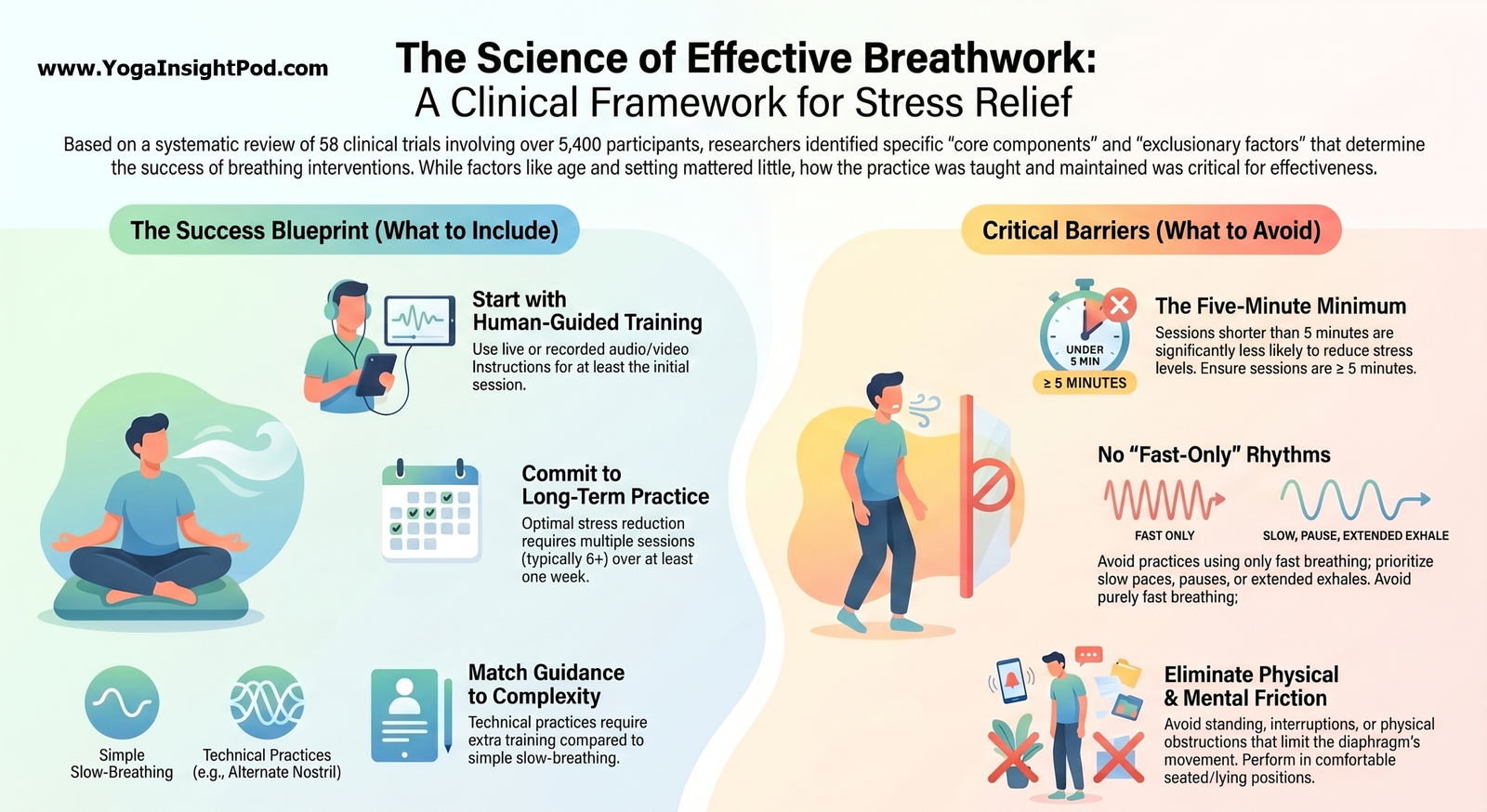
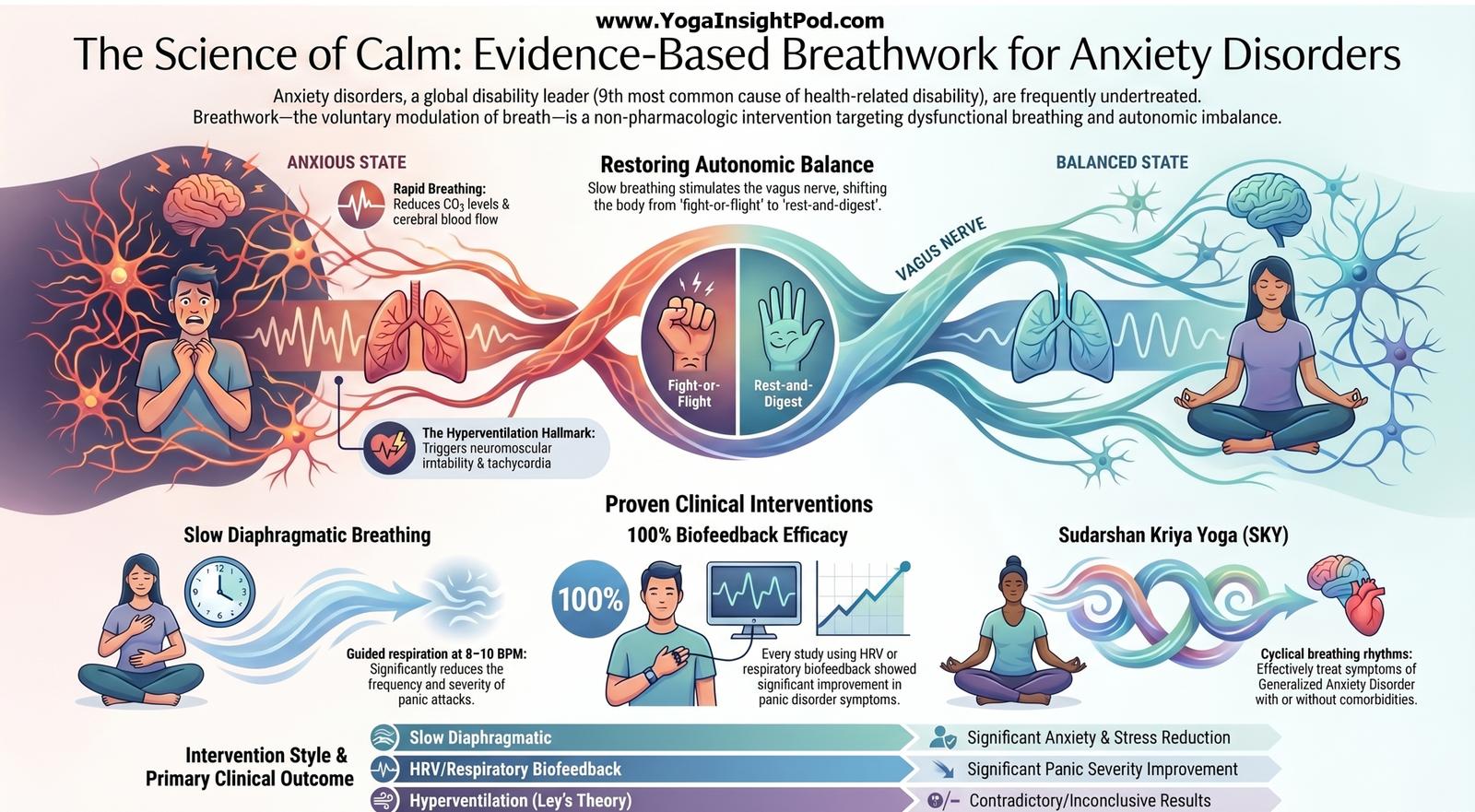
Anxiety disorders affect millions of people worldwide, yet many individuals struggle to find treatments that are accessible, affordable, and free from unwanted side effects. A recent scoping review published in Brain Sciences examined 16 clinical studies investigating breathwork interventions for adults diagnosed with anxiety disorders. The review found that a variety of breathing techniques including slow diaphragmatic breathing, paced breathing, respiratory biofeedback, heart rate variability (HRV) biofeedback, and structured pranayama practices produced meaningful improvements in anxiety symptoms, panic severity, and overall well-being. Several studies reported reductions in panic attacks and sustained improvements that lasted for months after treatment. One of the most promising findings involved slow diaphragmatic breathing. By slowing the breath and engaging the diaphragm, participants appeared to activate the parasympathetic nervous system, often called the body's "rest-and-digest" response. This may help counteract the physiological stress response commonly seen in anxiety disorders.
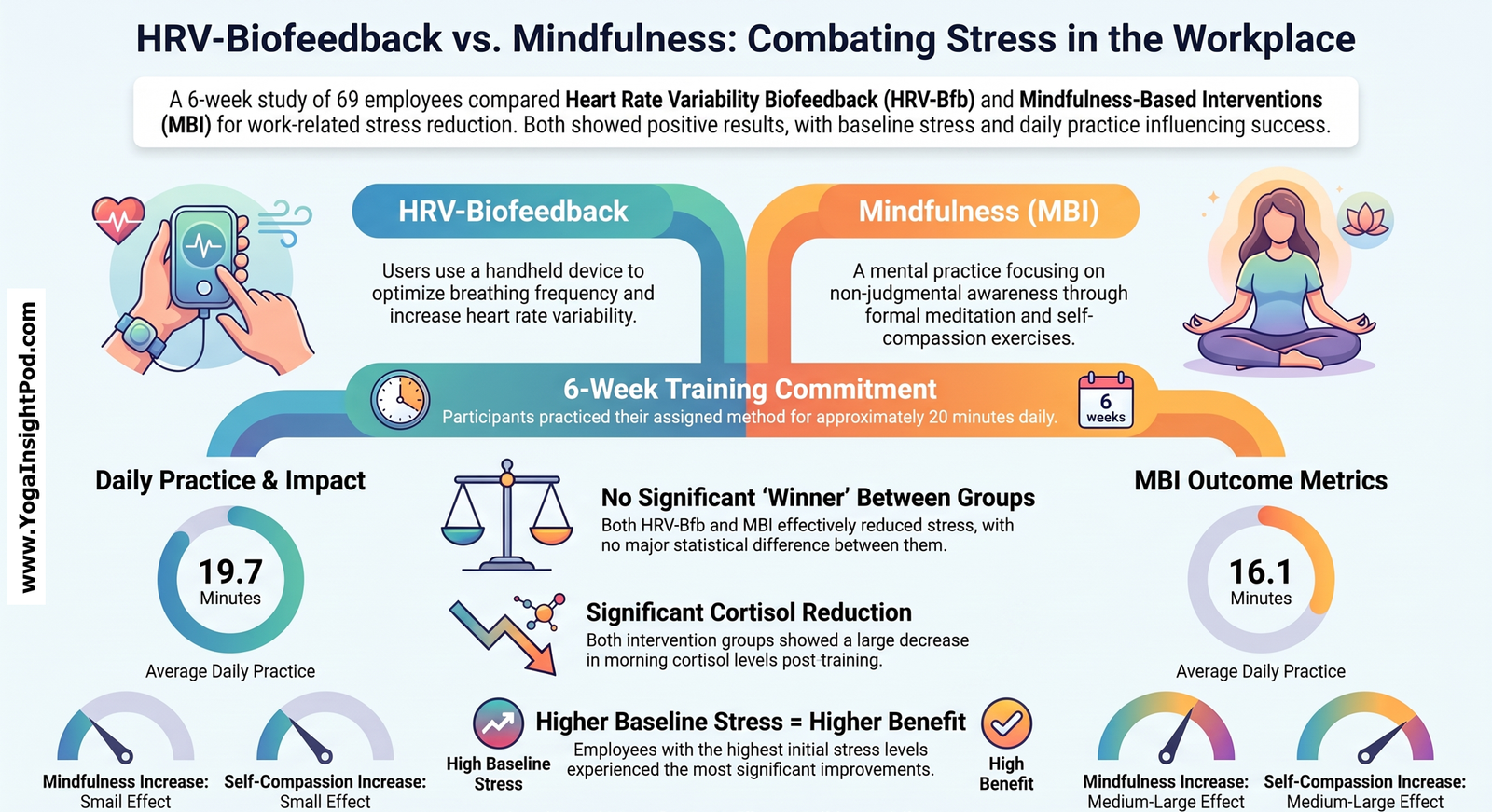
The review also highlighted emerging evidence for biofeedback-assisted breathing, which teaches individuals to regulate breathing patterns and heart rate variability in real time. These approaches showed significant benefits for panic disorder and agoraphobia. Importantly, the authors noted that dysfunctional breathing is a hallmark of anxiety disorders, yet breathing is rarely targeted directly in conventional treatment. Breathwork offers a low-cost, self-administered strategy that can complement psychotherapy and medical care. While more large-scale trials are needed, the evidence suggests that breathing may be one of the most powerful and underutilized tools available for managing anxiety and restoring emotional balance.